No trip to Home Depot is complete without at least two more trips to Home Depot

Our story so far: I laid out the tiles in dry format for my tile rug to be set in the hardwood between my stove and the sink in my future kitchen at the old Methodist church.

# # #

tile rug subfloor
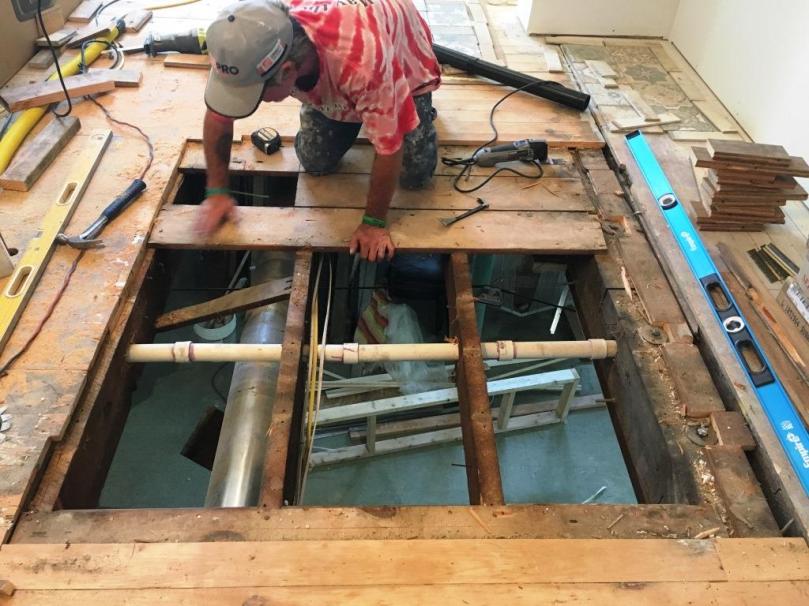
That’s the basement you can see through the sanctuary floor there! (And You-Can-Call-Me-Al, hard at work.)

My tile rug prompted You-Can-Call-Me-Al to poke around the subfloor where it would eventually be tiled between the stove and sink. He determined that the 126-year-old subfloor wasn’t up to the task of supporting the tiles which could mean they would flex when someone walked on them and then crack. This meant I had to make another trip to Home Depot, No. 4 just for that week.

I was now what you’d call a regular at the local Home Depot, the nearest Big Box home improvement store. Before this project, I would have told you Big Box clerks were flunkies who weren’t well informed, but that’s not true: The clerks at this particular Home Depot were awesome. The cashiers always tracked down someone to help me load whatever I bought (which I’ve repeatedly mentioned was invariably heavy). One of the flooring guys once saved me after seeing only my behind sticking out of a pallet of tile on the floor. The paint mixer and I were on a first name basis. But it was the guys in the lumber department who I really appreciated. Tyler would give me a list of wood and/or screws to buy, and they would help me find it and usually load it onto a cart.

On this trip, Tyler told me to buy three-quarter-inch plywood with a cement board underlayment. The helpful clerks in the lumber department (I had two this day!) told me it didn’t exist. I had long since given up on trying to translate, so I called Tyler and handed my phone to one of the clerks. Turns out, I needed two things: Half-inch plywood and quarter-inch cement board.

# # #

Tomorrow: The work gets harder. Read about it here.

Even if you’re right on track, you’ll get run over if you just sit there

Our story so far: As summer inched on, we juggled a variety of projects at the old Methodist church we were turning into our home.

# # #

One day when Tyler wasn’t feeling well, I was promoted to foreman. Make that temporary foreman.

Unlike Tyler who could operate power tools, I tended to more pedestrian tasks. That day included two trips to Home Depot, one to pick up the sander for St. Johnny to use on the upstairs floor, and a second to drop it off. You-Can-Call-Me-Al tended to miscellaneous carpentry tasks (like trimming out the upstairs belfry door and repairing holes in the hardwood near the back door).

tile rug dry
Final size will be about three-and-a-half feet by five.
pot filler apron
Tile configuration above the stove.

In between errands, I laid out the tile rug to be set into the hardwood in my kitchen using two boxes of mixed tiles. You-Can-Cal-Me-Al didn’t want to be the one choosing the design, so I laid it out dry and took a picture. While I was at it, I laid out the tile feature for above the stove. And then I touched up the spiral stairway, which got a little scratched as it was screwed into the church.

My short stint as boss resulted in forward progress and no maiming, so I think it was a success.

# # #

Tomorrow: My tile rug project inspires another trip to Home Depot. Read about it here.

Renovation is a juggling act

Our story so far: We were seven months into renovating the old Methodist church into our home.

# # #

Chapter 31

We juggled enough projects as summer inched on that something different occurred in a steady rhythm every day.

shower nook finished
Remember the “Shampoo is ugly” post? This is the result in the master shower stall. The hooks? For washcloths and shower poufs, all hidden from view of the bathroom doorway.


shower with curbs
When the shower was finished being tiled, we could get curbs, which you see installed here.

The carpet guy measured the balcony. The railings guy measured the balcony, too. The glass guy measured for our shower door. Because the quartz guys finally installed the curbs on the shower! And while the glass guy was there, he measured for new screens for the entryway windows and new glass for the sanctuary windows. Trim Guy measured for trim. A couple different painters eyed the walls to prepare estimates.

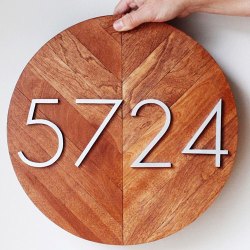
house numbers
The WoodsCollective.

To help all these contractors find our place, we installed temporary house numbers on the church. Do churches ever have house numbers? Maybe the church sign was evidence enough of a worshiping congregation, but as residents we needed something more definitive. I wanted to build the permanent sign, but my idea required using a saw, and Tyler said he had more important things to do than cut circles of wood, so I found what I wanted on Etsy, thanks to Zach and Sheena at the WoodsCollective.

# # #

Tomorrow: A clear sign we needed good signage. Read about it here.

When you love what you have, you have everything you need

Our story so far: We made decisions that affected the look of the entire church we were turning into a home: Wall paint and trim. Fortunately, we saved a lot of scrap trim and wood when we were taking the church apart during demolition, and at least some of it was usable.

# # #

While he was in the bedroom making a feature wall, Tyler used up some of the miscellaneous beadboard we salvaged in the church to finish the wall of the closet so it would coordinate with the original beadboard in the room. It wasn’t an exact match, but it was an easy decision—it was free. Once trimmed with chair rail and painted with the rest, it would look dynamite.

beadboard in the bedroom
The beadboard on the right is the original beadboard where I found little holes indicating coat hooks for a long ago Sunday school class.

# # #

Tomorrow: We juggle a number of projects as Chapter 31 opens. Read it here.

Half hopeless romantic, half rustic realist

Our story so far: Using reclaimed wood from the basement ceiling, Tyler constructed a unique accent wall for the powder room in the old Methodist church we were turning into our home.

# # #

Then Tyler tackled the half-wall in the master bedroom where our king bed and the bank-safe night stands would ultimately be placed.

In our former house, we invested in an enormous bedroom set featuring a grand four-poster bed with marble accents that looked a little like a throne (we got a deal on the floor model). The whole set was so big, I didn’t move it once in the decade we lived there and we sold it when we moved because we figured we’d never have a bedroom big enough for it again. This left us without a headboard in the church for our king mattress, and I decided I wanted something non-standard: The whole wall would become our headboard.

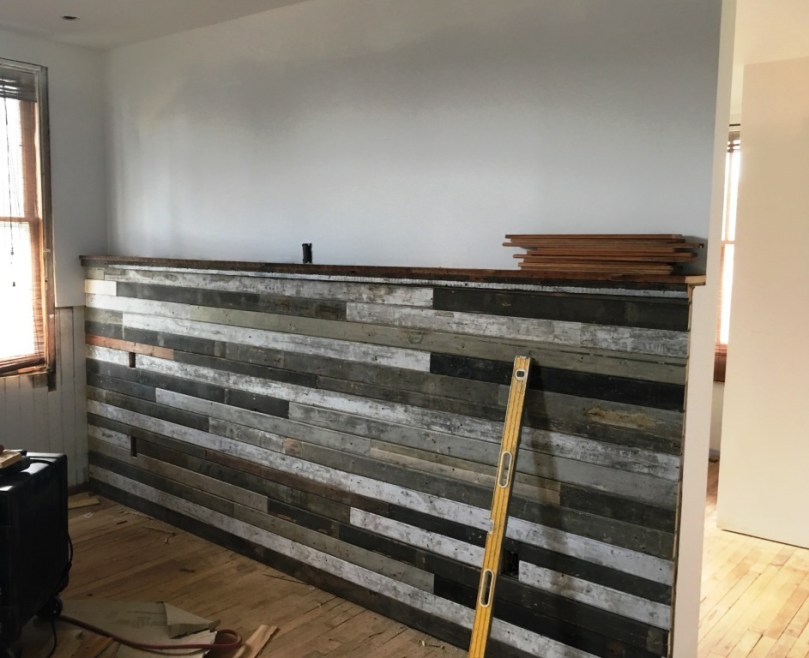
During construction, Tyler and my stepson built a half wall, a la one featured in “The Downtown Loft Challenge” episode of “Fixer Upper,” in which Joanna Gaines created an accent wall with white oak planks and a narrow shelf. She set artwork, a few books and a candle on the shelf above the bed. Instead of white oak, we used the reclaimed basement ceiling boards—a mix of the white, gray and black ones—to decorate the lower half. During one of our antiquing trips last fall, Tyler and I found a set of old arched church windows without glass; that’s the artwork we would display on the shelf.

headboard board
Now that’s a rustic accent wall!

# # #

Tomorrow: Another bedroom wall gets some love at Chapter 30 closes. See it here.

Recycling turns things into other things—which is like magic

Our story so far: We were a bit overwhelmed with decisions and budget considerations while determining paint colors and trim for the old Methodist church we were turning into our home.

# # #

Fortunately, we saved a lot of scrap trim and wood when we were taking the church apart during demolition, and at least some of it was not only useable and money-saving, we could recycle it in a beautiful way. And the best part: We were using what we had so it required very little decision-making and no paint.

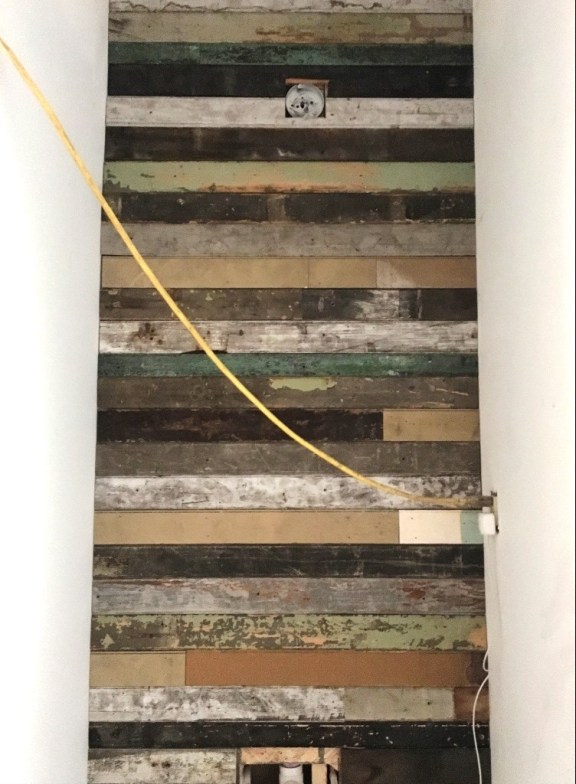
When Tyler took apart the basement ceiling to save the tin plates, all of it was nailed in place with tongue-and-groove planks. The church builders of old may have used leftover pieces from elsewhere in the church or another location altogether because though it matched in shape, it came in a rainbow of painted and unpainted colors. We saved it and moved it around the basement and then the deteriorating tool shed out back and now finally, we could put it to use—as accent walls, the modern method of featuring one wall in a room for some aesthetic purpose. One of our ten design rules required putting an accent wall in every—or nearly every—room.

powder room vanity pic

First up: The powder room.

Without sanding, treating or even cleaning the tongue-and-groove boards, Tyler nailed the shortest and most uniquely colored boards to the south wall, on which our sleek, pure white vanity and mirror set would stand out. When he was done, the rustic backdrop added miles of character to the 21-square-foot room, and it would require only a coat of polyurethane to finish it.

powder room wall
Powder room accent wall.

# # #

Tomorrow: If you like this, you’ll love the accent wall Tyler built in the master bedroom. Check out it here.

It is not how you start, but how you finish

Our story so far: One of our contractors working at the old Methodist church connected us with Trim Guy, who showed up just in time to avert a marital spat and was willing to help us choose trim.

# # #

trim book
Trim: Where an inch matters.

Tyler and Trim Guy talked about the differences between primed fiberboard and Gesso-coated pine while I flipped through a book that looked like it could be a shapes primer for toddlers. It was filled with backbands, bar rails, base caps, bases, brick mould, casings, casing blocks, chair rails, crowns, crown backers, dentil moulds (dentil moulds?! Shouldn’t those be part of a dentist’s offerings?), jambs, mantel mould, mulls, panel moulds, rope moulding, specialty millwork, stops, and tongue & vee groove. That would be everything from B to V. Every bit of it came in different sizes and thicknesses.

Uff-da.

No wonder I didn’t know what to write down.

Fortunately, Trim Guy read hand signals. I talked with my hands a lot and pointed around the room, and he figured out what we needed, including flexible matching trim we could use around the round top of our front door in the entryway. How clever! Who knew such a thing existed? Trim Guy knew, and he knew what it was called. He proceeded to walk the entire church making measurements.

Then he sent us a quote.

Which looked a lot like Sanskrit. Except for the bottom line. Which was infinitely understandable.

Here’s what I mean about the foreign language. One of the lines on the quote read this way:

520   LF   18136-OG-B 4-1/4” CASING FIRST FLOOR   1.520   790.40

How do you even know if you’re getting the stuff you want?

The bottom line was an eye-popper. The first digit was a 5. Like so many other construction materials, we weren’t just buying “trim,” we were buying casing and fascia and crown moulding and base board and chair rails and something called “pop,” and every piece had a price, and it was priced by the foot. (And that didn’t count the two boxes of nails in which we’d probably be investing, too.)

Naturally, when we were enjoying tequila and jotting dream numbers on a piece of notebook paper in the fall when we first saw the church, we didn’t budget for trim. And even if had, we probably wouldn’t have budgeted $5,000.

But we had to have trim. And Big Box basic maple trim wouldn’t do the job in the vision we had for the church.

So we squirmed and harrumphed and eventually called Trim Guy to place an order for 2216-CB fascia  and 24136-A-CR crown and a bunch of other indiscernible stuff, whatever it was.

# # #

Tomorrow: Fortunately, not every bit of detail is going to cost us an arm and a leg. See it here.

The details are not the details, they make the design

Our story so far: Decision paralysis was beginning to affect our church renovation. We were faced with decisions that affected the look of the entire church cum house, and we would have to look at them every day: Wall paint and trim.

# # #

The next day (and I’m not compressing chronology here—literally the next day), Tyler gathered You-Can-Call-Me-Al and me in the great room to start measuring for trim. I was supposed to be taking notes, but the conversation was over my head about ninety seconds in. I knew what a baseboard was and I understood we needed some sort of wood around the windows and doors, but after that, I was lost. You-Can-Call-Me-Al threw around words like casing and chair stops and measurements like five-and-a-quarter topped with one-and-seven-sixteenths, and I said, “Wait, huh? What am I writing down?”

Tyler threw up his hands.

You-Can-Call-Me-Al, with all his people-pleaser mediation skills, suggested we call his Trim Guy.

Before Tyler could say “What’s his number?” You-Can-Call-Me-Al dialed his cell and left a message for Trim Guy.

A few hours later, Trim Guy was standing in our great room with thick books of trim descriptions and a clip board.

original trim
Fortunately, the sanctuary of our church came with a lot of beautiful trim. The window casing was five inches wide, and the beadboard wainscoting was topped with a bold chair rail. The narrow original baseboard, however, was long since removed (I’ve painted a fake baseboard here). And if you look closely, the casing on the main door doesn’t match the window casing; it must have been a more modern addition.

# # #

Today’s headline is quote from Charles Eames. He and his wife “Ray” were 20th century American designers.

Tomorrow: Learning a foreign language. Read it here.

When two is good, is three better?

Our story so far: At the urging of my friends, I invested in a half-dozen paint samples to try on the walls of our great room, the former worship space of the church we were renovating into a home.

# # #

One of the samples I chose for the trim—Casual Khaki—turned out not to be just similar to the trim color already in the church, it was exactly the same shade of creamy beige.

I’m still not sure if that was serendipity or if my subconscious was simply a copycat, but I liked it. And so did Tyler when he saw it in the early morning light.

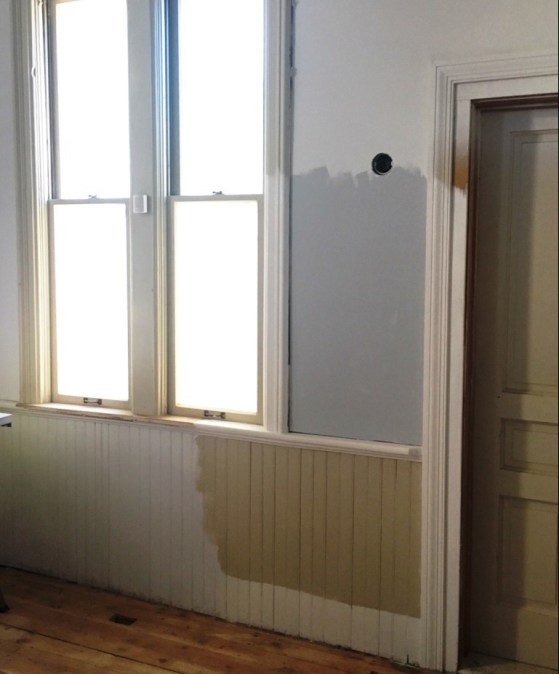
For my medium gray, I narrowed my choices down to Loft Space and Silver Bullet. Loft Space was the early contender, but it wasn’t quite right.

Behr color room
From Behr.com

I continued to over-analyze, and I found a picture on Behr’s blog of a room that had different colors on the trim and wainscoting. Well, we had bead-board wainscoting around the entire perimeter of the great room and master bedroom. Maybe we needed a third color, too. Maybe this was the answer.

I needed to finalize some decisions soon because Tyler had decided he wanted to hire a painter. He didn’t trust me to cut in the wall lines to ceiling and he didn’t have time to do it himself. A pro would be enlisted.

tricolor sample
A tri-color scheme: Bleached Linen on the trim, Casual Khaki on the wainscoting and Loft Space on the wall. Hmm.

# # #

Thursday: You think paint is hard to choose? Try trim! Read about it here.

Theory is splendid but until put into practice, it is valueless

Our story so far: As we approached the painting phase of our church renovation, I’d settled on creamy beige for the trim and medium gray for the walls. All the trim. And all the walls. And then my paint chips met hard reality in the great room of the church. 

# # #

As my friends and I chatted over the options in form of tiny chips in the natural afternoon light, I also realized every choice would look different in morning light. And under cloudy skies. And in artificial light (which I already learned from the Lighting Savant came in various shades of kelvin).

Did I really want to paint the whole house in the same colors? The trim in the sanctuary of the church was originally creamy beige. Did I really want that everywhere? Did I really want medium gray walls?

My resolve was dissolving.

My friends urged me to get some paint samples and paint big swatches of the colors on the trim and walls of the church and look at them at all times of day. They departed and an hour later, I was at the nearby Big Box store choosing paint samples in a half-dozen colors. And that evening, when all was quiet and Tyler had already gone to bed, I burned the last half hour of natural summer daylight painting those samples on trim and walls all around the great room.

Some of my artwork.

# # #

Today’s headline is a quote from James Cash Penney, the founder of J.C. Penney stores.

Tomorrow: Vacillation leads to a breakthrough. Read about it here.