Our story so far: We’re filling our time waiting to close on the church we plan to convert into our home by creating budgets and making plans.
# # #
As the prospect of freezing temperatures became ever more real in our camper, we debated how long it would take for us to acquire a habitation permit from the village.
The building inspector told Tyler he required an operational bathroom, kitchen and bedroom before he would allow us to occupy the church. So simple! Just three rooms!
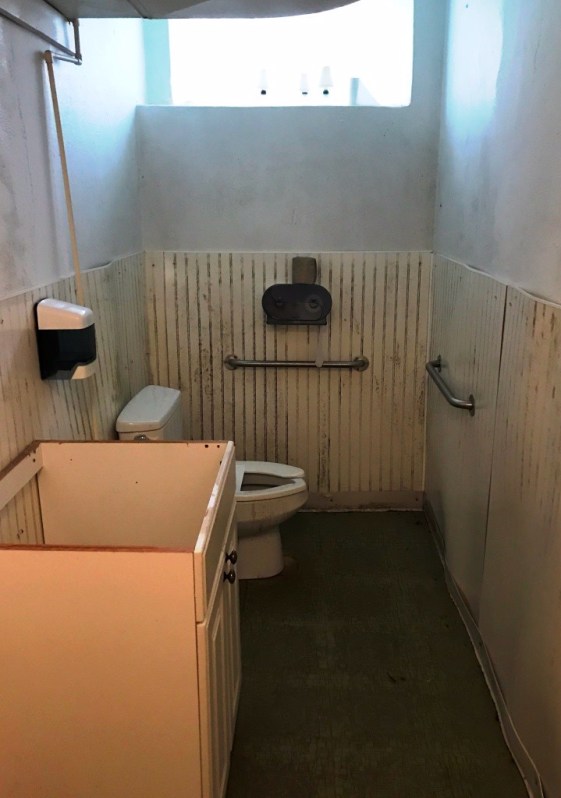
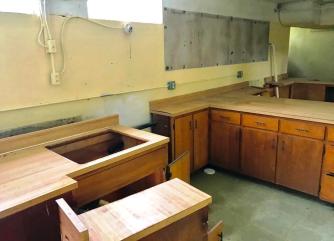
On the third showing at the church when we found Stan the squirrel, we discovered puddles of water in the basement. The caretaker, who noticed us at the church as he drove by, came inside to tell us the basement always got water when it rained. Shouldn’t a caretaker do something about that? I wondered silently.
A basement prone to flooding was probably not a great place for a bed.
Tyler spent a month scheming about plumbing in order to construct a bathroom shower and install new (or newish) sinks. He consulted with an electrician. He called an HVAC guy to schedule a furnace check. And he pondered how we might keep our sleeping area free of construction dust. We could take our time once we were living inside the church, but speed was of the essence in getting it livable.
Every day the church failed to conjure up the necessary documents for closing the deal put us more on edge. Tyler would lay awake at 2 a.m. thinking about 100-year-old lead pipes and drain vents. For me, the sleeplessness came at the beginning of the night. I would watch HGTV for hours before retiring for the evening, and then I’d lay awake re-arranging the location of the main floor laundry and dining room table. Or I’d scroll through pages on Pinterest looking at rustic accent walls, vaulted bedroom ceilings and DIY entryways only to dream about them later.
# # #
Tomorrow: Chapter 4 continues with a description of the wonders of architectural salvage. Read it here.


 Church Sweet Home